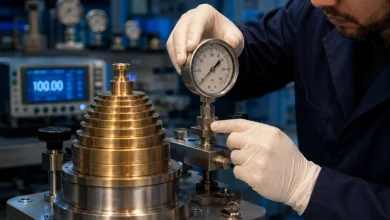
Calibration Process Guide 2026 | Steps Methods & Importance
Learn how the calibration process works, why it matters, and how to calibrate equipment correctly

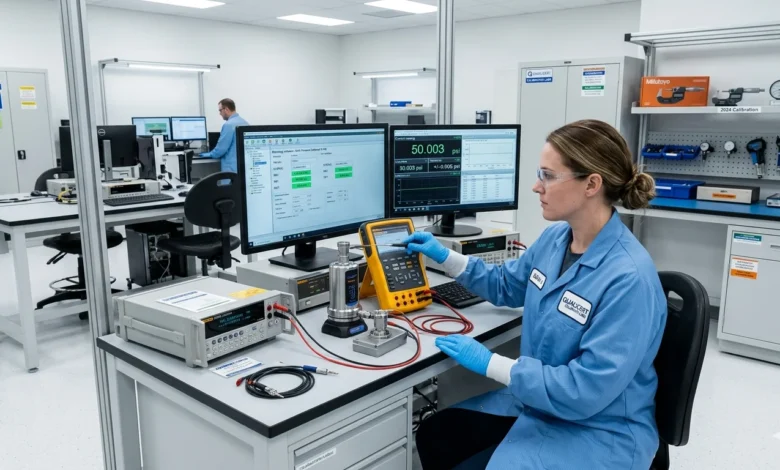
The calibration process is a step-by-step method of comparing a measuring instrument with a known reference standard to detect errors and adjust it for accurate and reliable results.
The calibration process plays a critical role in ensuring measurement accuracy, reliability, and consistency across industries. Whether you are working with industrial instruments, laboratory devices, or everyday equipment, understanding what is calibration and its practical application is essential. In simple terms, calibration involves comparing a device’s output with a known standard to identify deviations and correct them within acceptable tolerance limits.
The purpose of calibration goes beyond accuracy it ensures compliance with industry standards, improves safety, and maintains product quality. Many businesses often overlook when calibration is required, which can lead to faulty readings, compliance issues, and operational risks. From manufacturing to healthcare, proper calibration processes help maintain traceability and reduce uncertainty in measurements.
In this guide, we will break down the complete calibration workflow, including methods, procedures, and step-by-step instructions on how to calibrate equipment effectively. Whether you are a beginner or a professional, this expert breakdown will help you understand when and why calibration is required.
How do you calibrate equipment?
To calibrate equipment, compare its readings with a known standard, measure the deviation, adjust the instrument if necessary, and document the results to ensure accuracy and traceability.
What Is Calibration and Why Is It Important
The concept of calibration is fundamental in any field that relies on accurate measurements. When we talk about what is calibration and why is it important, we are referring to the process of ensuring that instruments provide correct and consistent readings. Without calibration, even high-quality devices can drift from their original accuracy over time. This makes calibration essential for maintaining reliability, improving measurement accuracy, and ensuring compliance with industry standards. Understanding what is calibration also helps businesses avoid costly errors and maintain trust in their data.
What is calibration (simple definition)
Calibration is the process of comparing a measuring device with a known reference standard to identify and correct any deviation. In simple words, it ensures that the instrument is measuring correctly and within acceptable tolerance limits.
What is calibration and why is it important
To fully understand what is calibration and why is it important, consider industries like healthcare and manufacturing. Even a small measurement error can lead to serious consequences. Calibration ensures accuracy, reduces uncertainty, and supports quality control systems.
Purpose of calibration in real-world use
The purpose of calibration is to maintain measurement consistency, ensure traceability, and improve overall system performance. It plays a critical role in decision-making processes where accurate data is required.
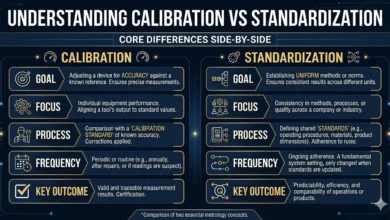
Calibration and standardization difference
Although often used together, calibration and standardization are not the same. Calibration focuses on adjusting instruments for accuracy, while standardization ensures uniformity across systems and processes.
The Calibration Process Explained Step by Step
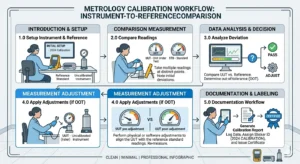
The calibration process involves a systematic approach to testing, verifying, and adjusting measuring instruments. It is not just a single step but a complete workflow that ensures accuracy over time. The process of calibration includes comparing readings with a reference standard, identifying errors, and making necessary corrections. Well-defined calibration processes also include documentation and traceability, which are critical for audits and quality assurance. Understanding how calibration is done helps organizations maintain reliable operations and consistent performance.
Steps of the calibration process:
- Select a certified reference standard
- Stabilize environmental conditions
- Compare instrument readings
- Identify measurement deviation
- Adjust the instrument if required
- Verify accuracy after adjustment
- Document results and issue calibration certificate
The process of calibration overview
The process of calibration starts with selecting a certified reference standard. The instrument is then tested under controlled conditions to check for deviations from expected values.
How calibration is done in industries
If you’re wondering how calibration is done, industries follow strict procedures. Instruments are tested, adjusted if needed, and results are documented to ensure compliance with standards.
Calibration procedures breakdown
Effective calibration procedures include inspection, comparison, adjustment, and reporting. Each step ensures that the instrument meets required accuracy levels and performs reliably.
Process instrument calibration procedure
A process instrument calibration procedure is commonly used in industrial systems like pressure and temperature measurement. It involves checking multiple data points, correcting errors, and recording results for future reference.
Why Calibration Is Required for Equipment
Calibration is a critical requirement for any equipment that provides measurable output. In many industries, calibration required guidelines are enforced to ensure safety, accuracy, and compliance. Without proper calibration, instruments may produce incorrect data, leading to operational failures and financial losses. Understanding whether devices need calibration helps businesses maintain efficiency and reduce risks. The question do they need to be calibrated often depends on how critical the measurement is and how frequently the equipment is used.
Calibration required in industries
In most industries, calibration required standards are defined by regulatory bodies. These standards ensure that equipment operates within acceptable limits and delivers reliable results.
Risks of skipping calibration
Skipping calibration can lead to inaccurate measurements, product defects, and safety issues. Over time, instruments may drift from their original accuracy, affecting overall system performance.
Safety and compliance reasons
Calibration plays a key role in safety and compliance. It ensures that equipment meets legal requirements and supports quality assurance processes across industries.
Do they need to be calibrated? (decision logic)
A common concern is do they need to be calibrated? The answer depends on factors such as usage frequency, environmental conditions, and the importance of accurate measurements. Critical devices should always follow a routine calibration schedule.
Do all instruments need calibration?
Not all instruments require calibration, but any device used for safety, quality control, or compliance must be calibrated regularly to ensure accurate measurements.
How to Recalibrate Instruments for Long-Term Accuracy
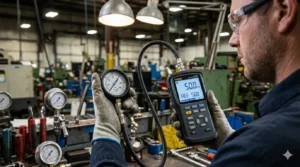
Recalibration is not just a routine task it’s a critical strategy to maintain long-term measurement accuracy and system reliability. Over time, even high-quality instruments drift due to environmental changes, wear and tear, and continuous usage. Understanding how to recalibrate equipment properly helps reduce uncertainty, maintain traceability, and ensure consistent performance. A well-planned routine calibration schedule prevents unexpected failures, improves efficiency, and keeps your instruments aligned with industry standards.
How to recalibrate step-by-step
To understand how to recalibrate, start by reviewing the previous calibration records and identifying drift patterns. Next, clean and stabilize the instrument, then compare it with a certified reference standard. Adjust the device where necessary and document the results. Always verify performance after recalibration to ensure accuracy.
Routine calibration importance
Routine calibration is essential because instruments naturally lose accuracy over time. Establishing a schedule based on usage frequency and environmental conditions helps maintain consistent performance and reduces long-term risks.
When recalibration is needed
Recalibration is required when instruments show inconsistent readings, fail quality checks, or operate in harsh conditions. It is also necessary after repairs or when measurement accuracy directly impacts safety or product quality.
Common recalibration mistakes
One major mistake is skipping documentation, which breaks traceability. Another is using non-certified reference standards, leading to unreliable results. Ignoring environmental factors like temperature and humidity can also affect calibration accuracy.
System Calibration and Advanced Techniques
Modern industries rely on complex systems where multiple instruments work together. This makes system calibration more important than ever. Instead of calibrating a single device, system calibration ensures that the entire measurement chain works accurately as a unit. Advanced calibration technique methods such as digital calibration, multipoint verification, and automated systems improve precision and reduce human error. Knowing how to do calibration at a system level helps maintain consistency, improve efficiency, and ensure reliable outputs across integrated processes.
What is system calibration
System calibration involves calibrating all interconnected components of a system to ensure overall accuracy. This is commonly used in industrial plants, laboratories, and automated production lines where multiple sensors and instruments are linked.
Advanced calibration technique methods
Modern calibration technique methods include automated calibration systems, software-driven adjustments, and real-time monitoring. These techniques enhance accuracy, reduce downtime, and improve repeatability.
Multipoint & digital calibration
Multipoint calibration checks an instrument at multiple reference values to ensure accuracy across its entire range. Digital calibration systems use software tools to automate the process, minimizing human error and improving efficiency.
How to do calibration for systems
Understanding how to do calibration for systems requires a structured approach. Start by calibrating individual components, then verify system-wide performance. Ensure proper synchronization between devices and maintain detailed records for traceability.
Calibration Procedures for Different Devices
Not all devices are calibrated the same way. Different instruments require specific calibration procedures based on their design, function, and usage. Understanding these differences is key to achieving accurate results and avoiding measurement errors. Many users search for how to calibration, but the real solution lies in following structured and device-specific calibration workflows. Whether it’s industrial equipment or consumer electronics, applying the right procedure ensures long-term reliability and performance.
Industrial instrument calibration
Industrial instruments such as pressure gauges, flow meters, and temperature sensors require strict calibration procedures. These devices are often calibrated using certified standards under controlled conditions to ensure high accuracy and compliance.
Consumer device calibration
Consumer devices like thermometers, glucometers, and digital scales also require calibration, though the process is usually simpler. Regular checks help maintain accuracy and improve reliability in everyday use.
How to calibration for electronics (natural usage)
Many users search for how to calibration, but the correct approach is understanding proper calibration procedures. Electronics require stable power conditions, reference signals, and precise adjustments to ensure accurate performance.
Common mistakes
Common mistakes include skipping calibration intervals, using incorrect standards, and ignoring environmental conditions. These errors can lead to inaccurate readings and reduced device reliability.
How Calibration Is Done in Real Life (Practical Example)
Understanding theory is important, but real value comes from knowing how calibration is done in practical scenarios. In real-world environments, calibration is a structured process that involves accuracy verification, environmental control, and proper documentation. It is not just about comparing values factors like measurement uncertainty, tolerance limits, and traceability play a critical role. Whether in laboratories or industrial settings, a consistent workflow ensures reliable and repeatable results. This section provides a clear, real-life example to help you understand how calibration works in practice.
Practical example (thermometer calibration)
A common example is thermometer calibration. First, a certified reference thermometer is selected. Both the test instrument and the reference device are placed in the same controlled environment and allowed to stabilize. Their readings are then compared. If the difference exceeds acceptable tolerance limits, adjustments are made to correct the deviation.
Step-by-step real workflow
To understand how calibration is done, here is a standard workflow followed in most industries:
- Inspect the instrument for physical damage
- Stabilize environmental conditions (temperature, humidity)
- Select a certified reference standard
- Compare measurements at defined points
- Calculate deviation and measurement uncertainty
- Adjust the instrument if required
- Document results and issue a calibration certificate
Beginner mistakes
Beginners often ignore environmental stability, which directly affects measurement accuracy. Another common mistake is using uncertified reference standards, leading to unreliable results. Skipping documentation is also critical, as it breaks traceability and compliance requirements.
Calibration instructions checklist
Follow these essential calibration instructions for reliable results:
- Use certified reference standards
- Maintain stable environmental conditions
- Take multiple readings for accuracy
- Record all observations properly
- Generate a calibration certificate for traceability
Maintaining Long-Term Calibration Accuracy
Calibration is not a one-time task it is an ongoing process required to maintain long-term measurement accuracy. Without proper calibration processes, instruments gradually drift from their original accuracy due to usage, environmental factors, and wear. Organizations that implement effective routine calibration strategies achieve better reliability, compliance, and operational efficiency. Long-term accuracy depends on consistent monitoring, proper scheduling, and adherence to best practices. This section explains how to maintain stable and accurate measurements over time.
Calibration processes for long-term stability
Effective calibration processes include regular scheduling, performance tracking, and historical data analysis. Monitoring past calibration results helps identify drift patterns and allows proactive maintenance before errors become critical.
Routine calibration planning
Routine calibration planning should be based on equipment usage, criticality, and environmental exposure. High-risk instruments require frequent calibration, while less critical devices can follow longer intervals without compromising accuracy.
Calibration and standardization consistency
Maintaining consistency requires both calibration and standardization. Calibration ensures measurement accuracy, while standardization ensures uniformity across systems. Together, they create a reliable and consistent measurement framework.
Optimization strategies
To maintain long-term calibration accuracy, follow these strategies:
- Implement preventive maintenance programs
- Optimize calibration intervals (avoid over- or under-calibration)
- Use digital tracking and calibration management systems
- Train staff on proper calibration procedures
- Regularly review measurement uncertainty and tolerance limits
FAQs
What is the calibration process in simple words?
The calibration process is a method of checking and adjusting an instrument by comparing it with a known standard. It ensures that the device provides accurate and reliable measurements within defined tolerance limits.
Why is calibration important for industrial equipment?
Calibration is important because it ensures measurement accuracy, prevents costly errors, and maintains compliance with industry standards. Without proper calibration, even small inaccuracies can lead to product defects, safety risks, or legal issues.
How often should calibration be performed?
Calibration frequency depends on the instrument type, usage, and risk level. Critical equipment may require monthly calibration, while stable instruments are often calibrated annually. The best approach is to base intervals on historical drift data.
What happens if equipment is not calibrated?
If equipment is not calibrated, it can produce incorrect measurements, leading to poor decisions, product failures, safety hazards, and compliance violations. Over time, measurement errors can increase without being noticed.
What is the difference between calibration and standardization?
Calibration is the process of adjusting an instrument to match a known standard, while standardization is the act of defining that standard. In simple terms, standardization sets the reference, and calibration aligns the instrument with it.
How do you calibrate an instrument step by step?
To calibrate an instrument, you compare its readings with a known reference standard, record any deviation, adjust the instrument if needed, and verify the results. Finally, the entire process is documented for traceability and compliance.
Do all measuring devices need calibration?
No, not all devices require calibration. However, any device used for safety, quality control, compliance, or financial measurements should always be calibrated to ensure accuracy and reliability.
What is system calibration?
System calibration involves testing and adjusting the entire measurement system, including sensors, cables, and display units, rather than just a single instrument. It ensures overall system accuracy in real-world conditions.
Can calibration be done manually or automatically?
Yes, calibration can be done both manually and automatically. Manual calibration involves a technician performing adjustments, while automated calibration uses software systems for faster and more consistent results.
What is routine calibration and why is it necessary?
Routine calibration is the regular checking of instruments at scheduled intervals. It helps detect measurement drift early and ensures long-term accuracy, preventing major errors before they occur.
How can I tell if my device needs recalibration?
Signs include inconsistent readings, deviation from expected results, physical damage, or after repair. If any of these occur, recalibration should be performed immediately to restore accuracy.
What are calibration requirements in ISO standards?
ISO standards require instruments to be calibrated at defined intervals, traceable to national standards, and properly documented. These requirements ensure measurement reliability and audit compliance.
Conclusion
If you’ve made it this far, you now understand something most people overlook the calibration process isn’t just a technical task, it’s the backbone of accurate decision-making.
Every measurement your business relies on whether it’s temperature, pressure, weight, or electrical values directly impacts quality, safety, and performance. And here’s the truth most companies learn the hard way: even a small measurement error can create massive consequences over time.
The real purpose of calibration isn’t just to “fix instruments.” It’s to build trust in your data. Because when your data is reliable, your decisions are reliable. And when your decisions are reliable, your entire operation becomes stronger, more efficient, and more compliant.
A well-structured calibration process gives you:
- Confidence in every measurement
- Protection against costly mistakes
- Strong audit and compliance readiness
- Better product quality and consistency
But here’s where most people go wrong they treat calibration as a one-time task or just another checklist item. In reality, calibration is a continuous system, not a one-time action. It requires proper planning, routine checks, correct methods, and consistent documentation.
The smartest approach is simple:
Calibrate regularly
Track performance over time
Adjust intervals based on real data
Never ignore early signs of drift
When you do this right, calibration stops being a cost and becomes a competitive advantage.
Because at the end of the day, businesses that control their measurements control their outcomes.
And that’s the real power of a strong, well-managed calibration process.
If you want to ensure your equipment stays accurate and compliant, implementing a structured calibration process today will save you from costly errors tomorrow.
Also Read:
- My glucometer is not working
- 20 ways | How To Fix Android Phone Touch Screen Problem |
- CRITICAL Fixes PS5 Controller Not Working | STS-Calibration
- What is Calibration? Why Accuracy Fails Without It
- Calibration Guide 2026 | Process, Steps & Accuracy
- Why Calibration Is Important | 15 Key Benefits, Types & Standards
- Calibration vs Standardization | 15 Key Differences Explained
- How to Calibrate Equipment Correctly | 15 Critical Steps Most Technicians Miss